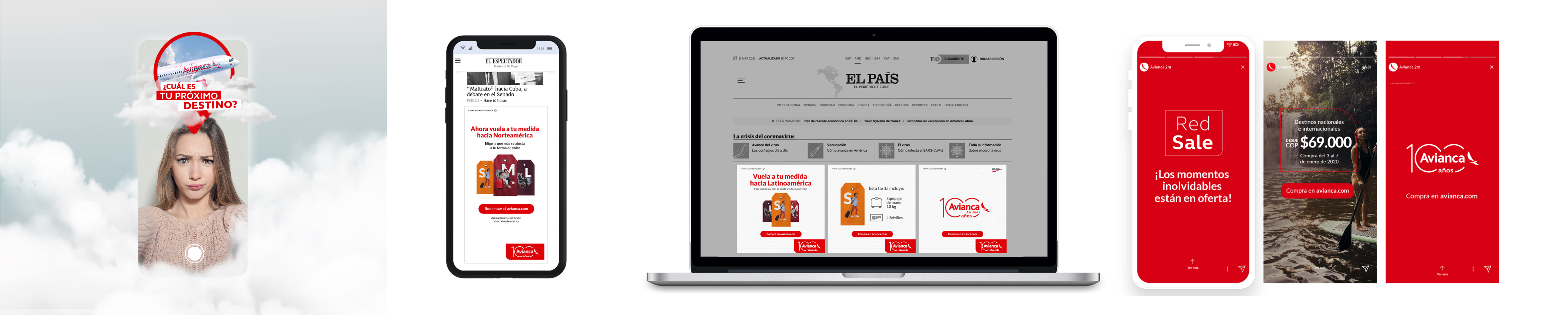
I create digital experiences that combine design, development, and marketing strategy. It's not just about creating websites or campaigns, but about designing spaces that connect, inspire trust, and actually work. Below, I'll tell you a little about my work process. I don't know everything. I haven't mastered all the secrets of programming yet (who has?).
Julian Villamizar
Web Development: Like My Favorite Dinner, But with More Code!
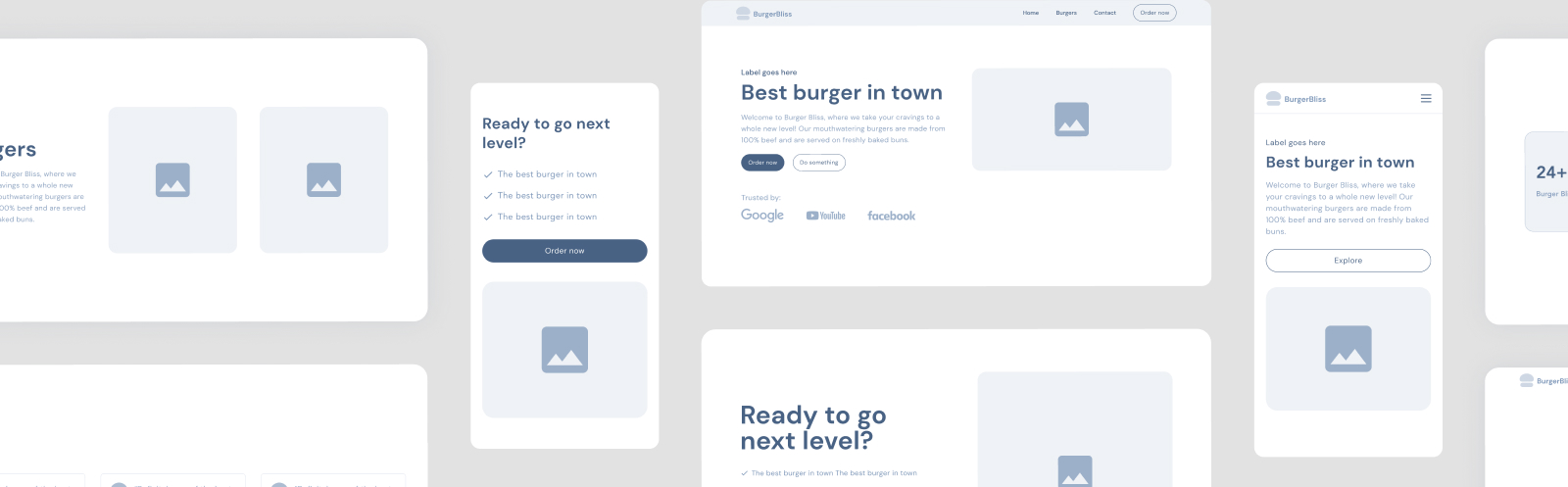
From Wireframes to Prototypes—And Then... ¡Action!. In my workflow, I apply an atomic design model to web design, breaking down interfaces into reusable components (atoms, molecules, and organisms) that can be combined to create flexible layouts and multiple variants. By defining design tokens such as colors, typography, and spacing, as well as modular blocks like buttons, headers, cards, and footers, I can efficiently assemble consistent, responsive web pages that adapt to different use cases and screen sizes.
The first step is to create wireframes and rapid prototypes to validate the concept, defining the key components that will structure the product. This process ensures that the design is both functional and visually cohesive before moving on to the development stage.
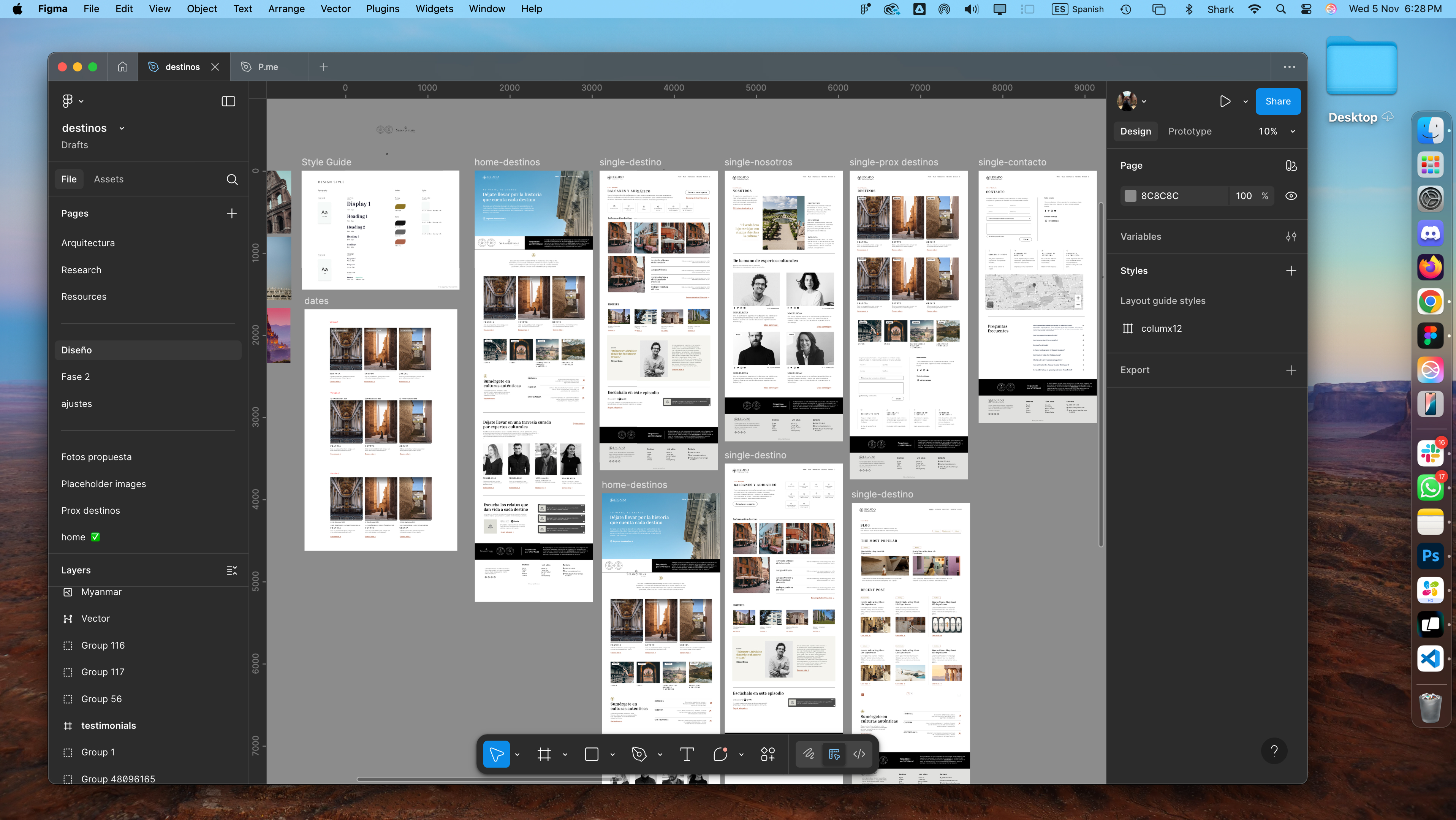
Review of appropriate technologies, I choose the right technology stack based on the project’s needs—performance, flexibility, and scalability. For simple projects like landing pages, I use lightweight tools like static site generators or CMS platforms for fast deployment. For more complex sites or apps, I opt for frameworks like Next or Svelte, which offer interactivity, scalability, and optimized performance. For eCommerce projects, I recommend platforms like WooCommerce (WordPress) or Shopify, depending on the scale and complexity. The right stack ensures the project runs efficiently and can grow as needed
I thrive on creative challenges and value well-defined project constraints (because, let's face it, that's where the best ideas are born). Of course, all final projects are rigorously optimized according to marketing standards and the latest round of client feedback.
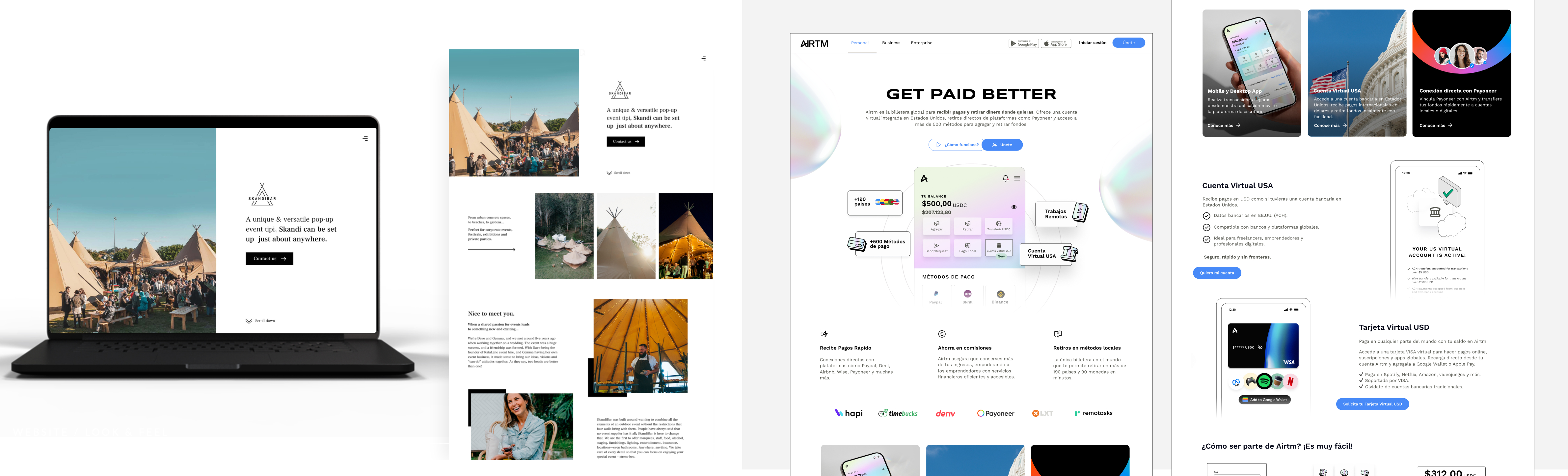
Beyond standard web design, I develop cutting-edge, conversion-focused landing pages designed for maximum user engagement. My expertise includes implementing seamless interactive features, bespoke parallax scrolling, and radically differentiated visual designs, all orchestrated for silky-smooth performance using advanced animation frameworks such as GSAP.
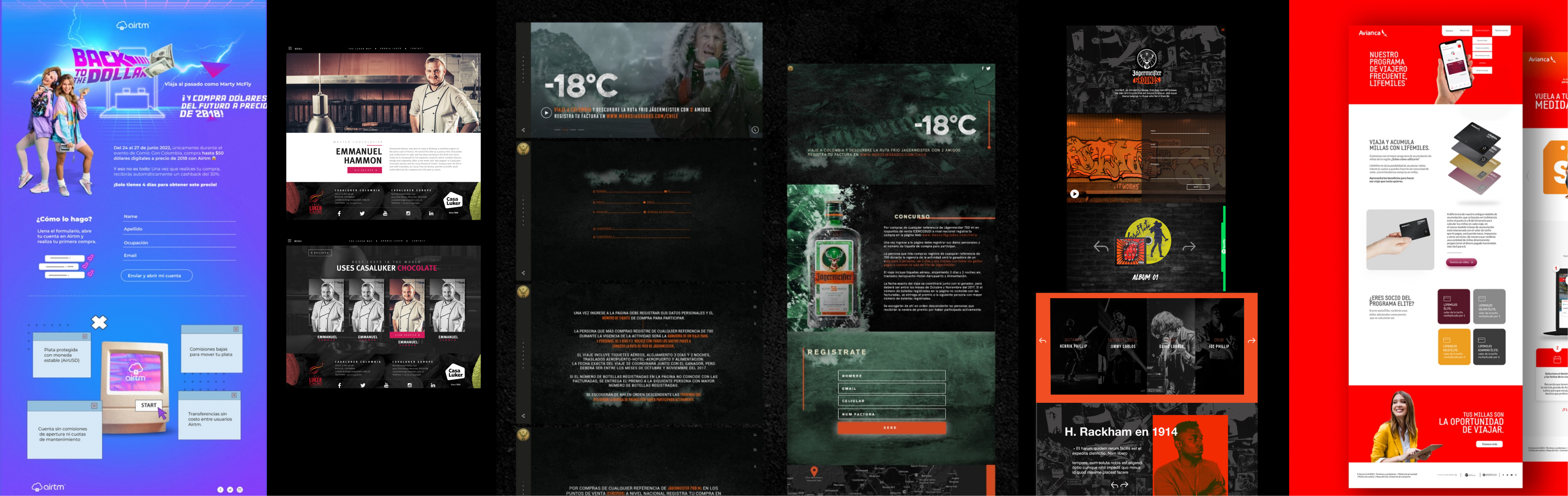
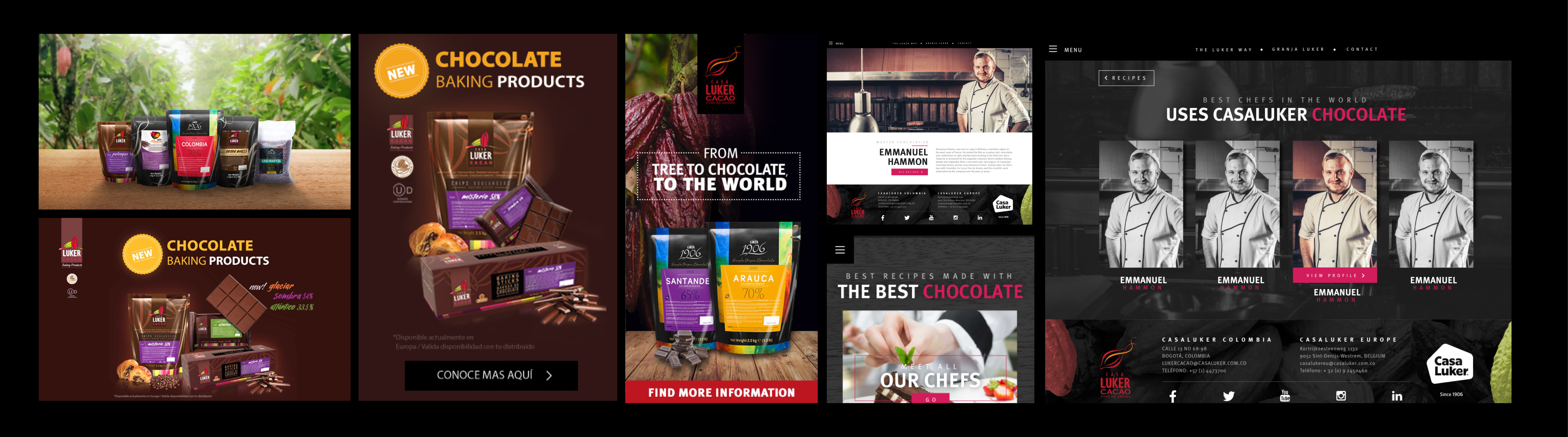
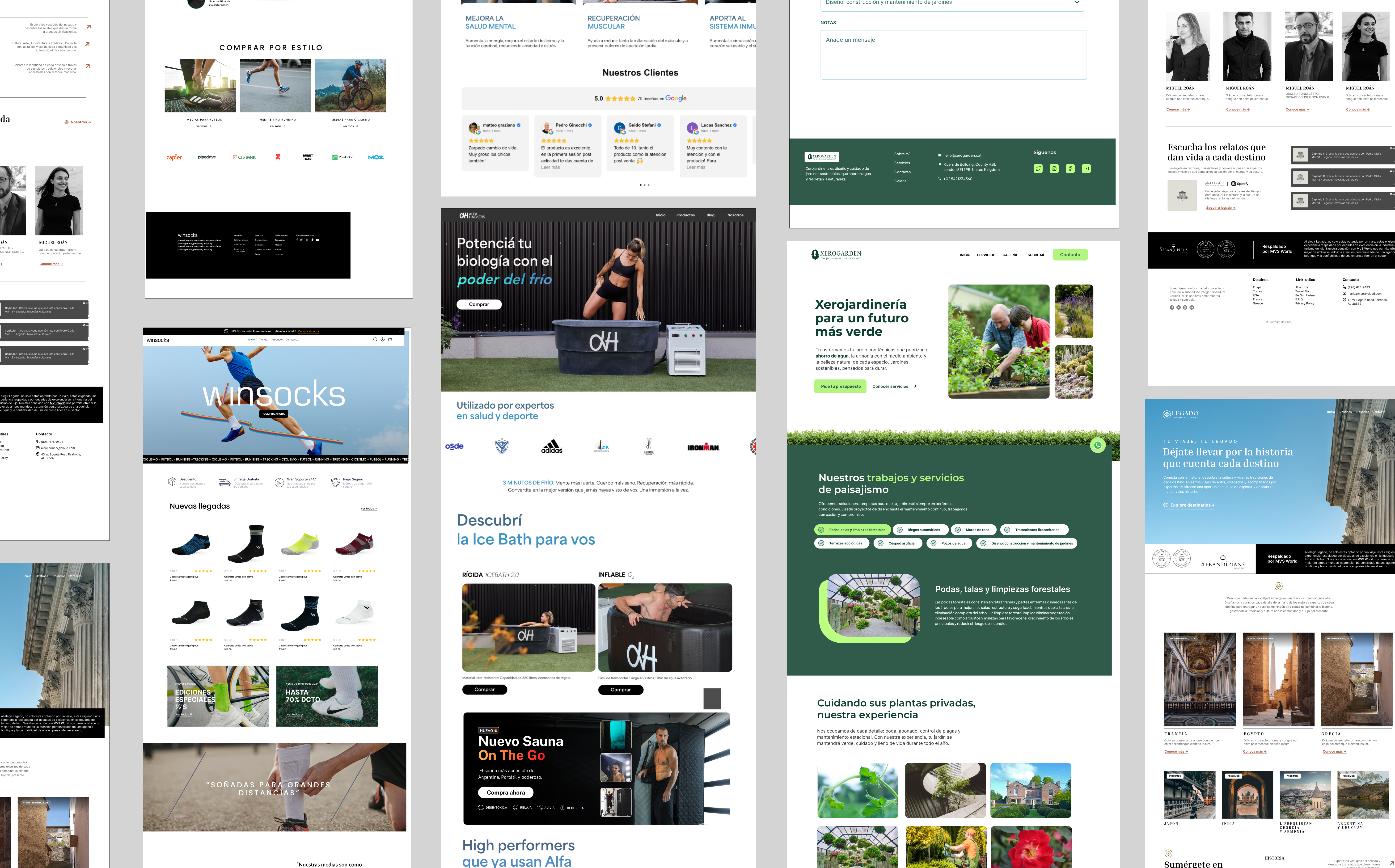
Here are some recent examples of websites
Email Development: From a Headache to a Total Relief!
In my workflow, I apply an atomic design model to build email templates. This means breaking down emails into reusable components (atoms, molecules, and organisms) that can be combined to create flexible layouts and multiple variants. By defining design tokens (colors, typography, spacing) and modular blocks such as buttons, headers, product cards, and footers, I can quickly assemble consistent and responsive emails for both marketing and transactional purposes.
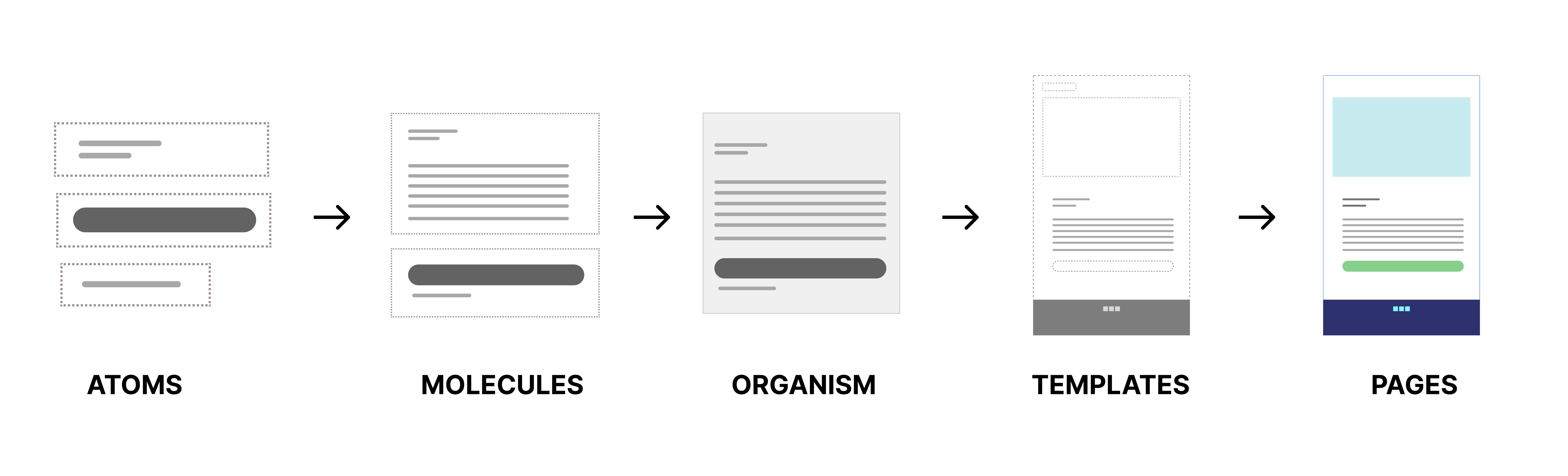
From atomic components, I move into wireframes where I create and test multiple email variations. This step helps me define structure, hierarchy, and adaptability before final design.
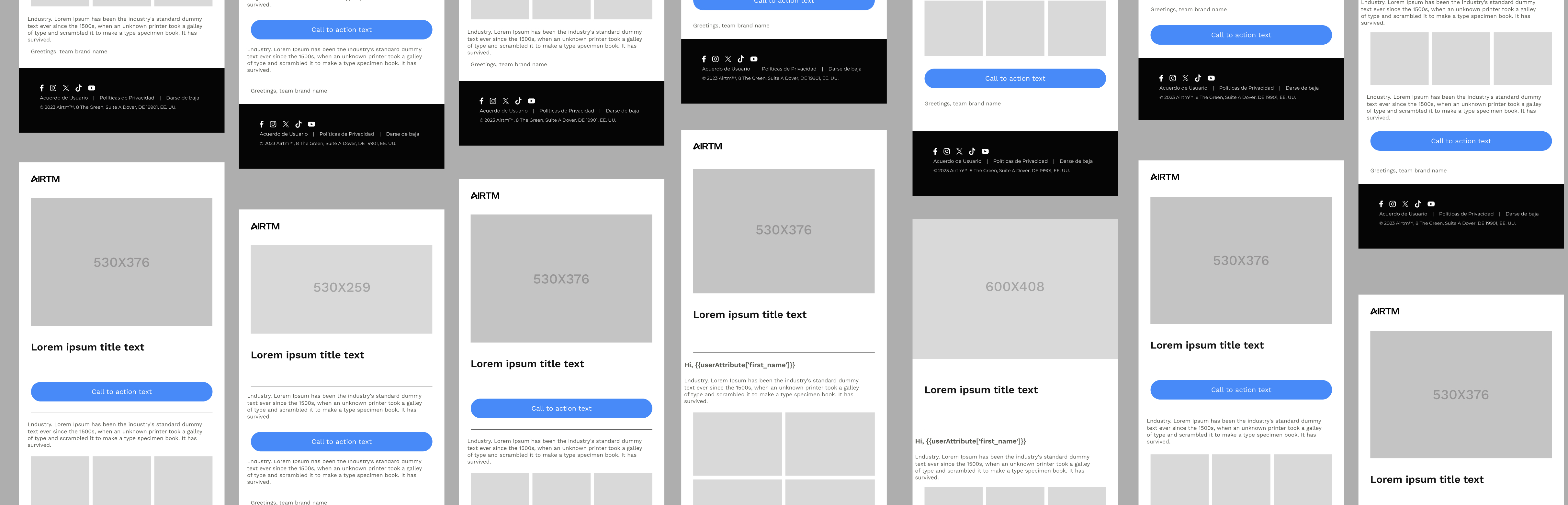
At this stage, the focus shifts to development. Depending on the project, we can choose the right environment and language to bring the wireframes to life. I have worked with Gulp and MJML, often combining them with Nunjucks to automate tasks and build a modular system. In other cases, I use React with its MJML component for a more dynamic workflow. I even built a simple drag-and-drop system in vanilla JavaScript to accelerate template creation and speed up iterations.
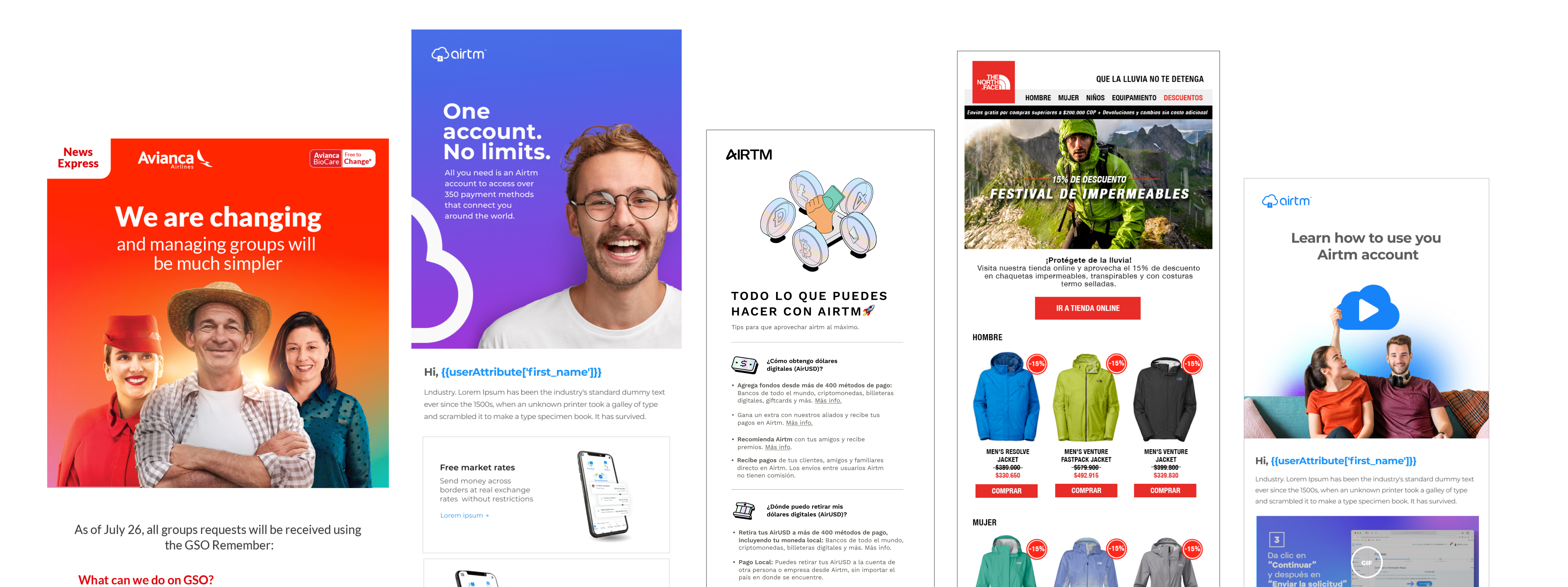
I've also created some experiments to speed up the process of creating a drag-and-drop interface in vanilla JavaScript.
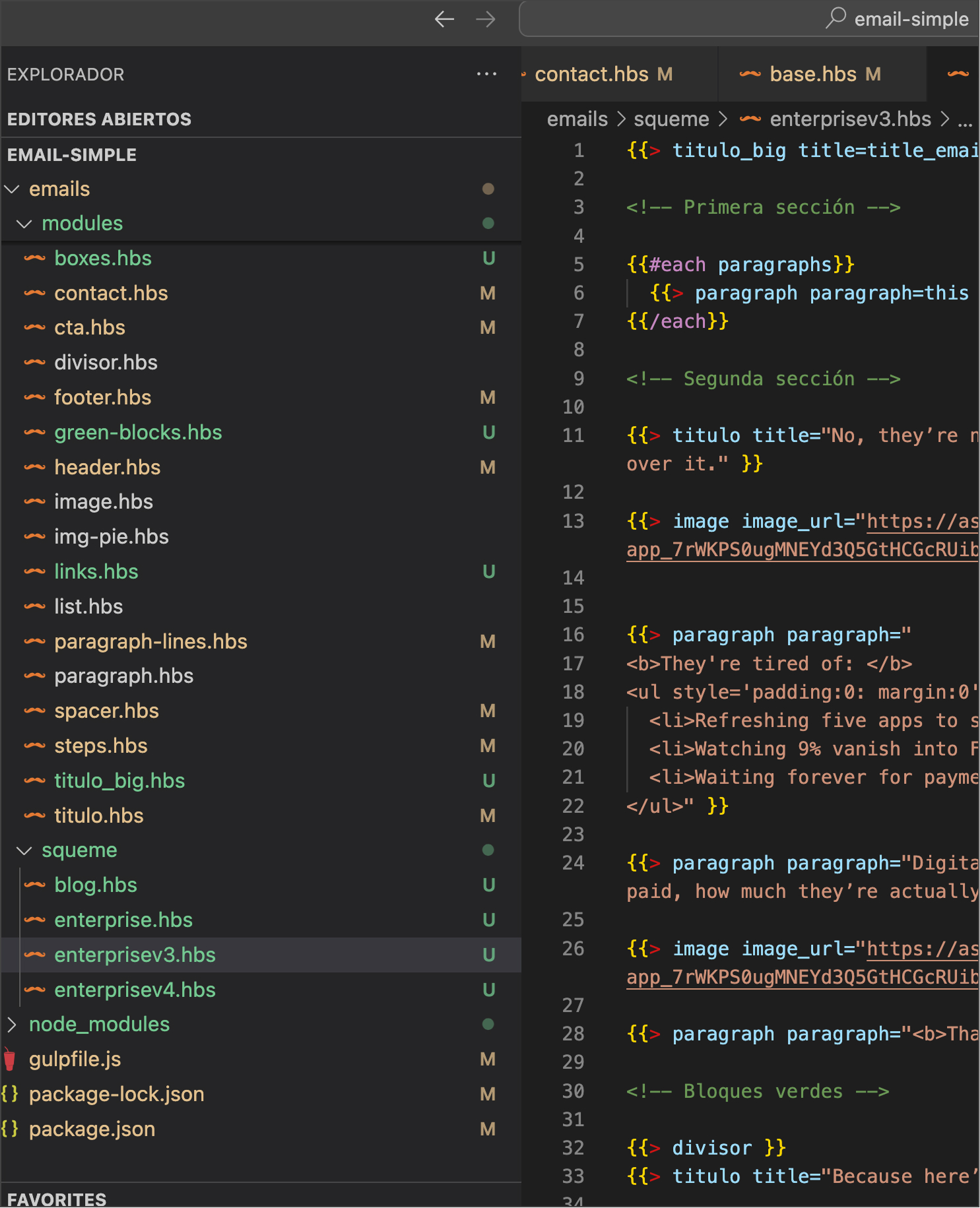
Once content and images are finalized, we upload the template to the sending platform and wire personalization. Variables can be defined during development or directly in the ESP editor. I have worked with platforms like Leamply, CleverTap, Salesforce, and Mailchimp, where most systems rely on variables and use templating frameworks such as Liquid or AMPscript. This step ensures personalization, conditional content, and proper delivery across different environments before the campaign goes live.
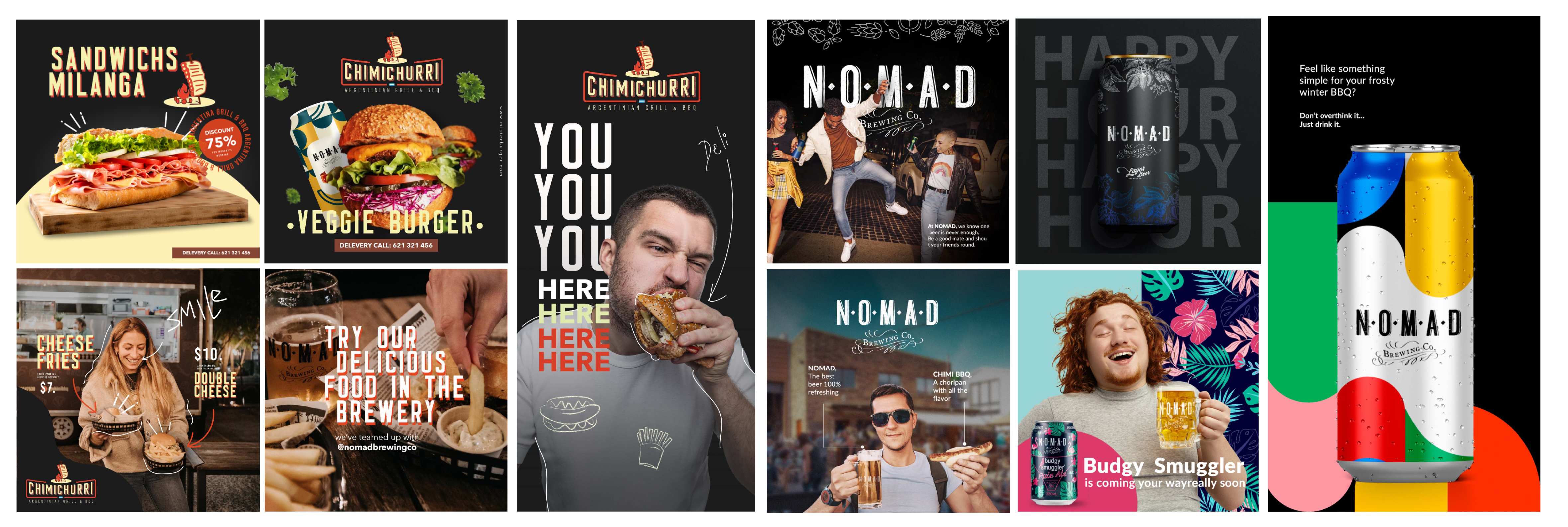
Ads, Rich Media, Social media
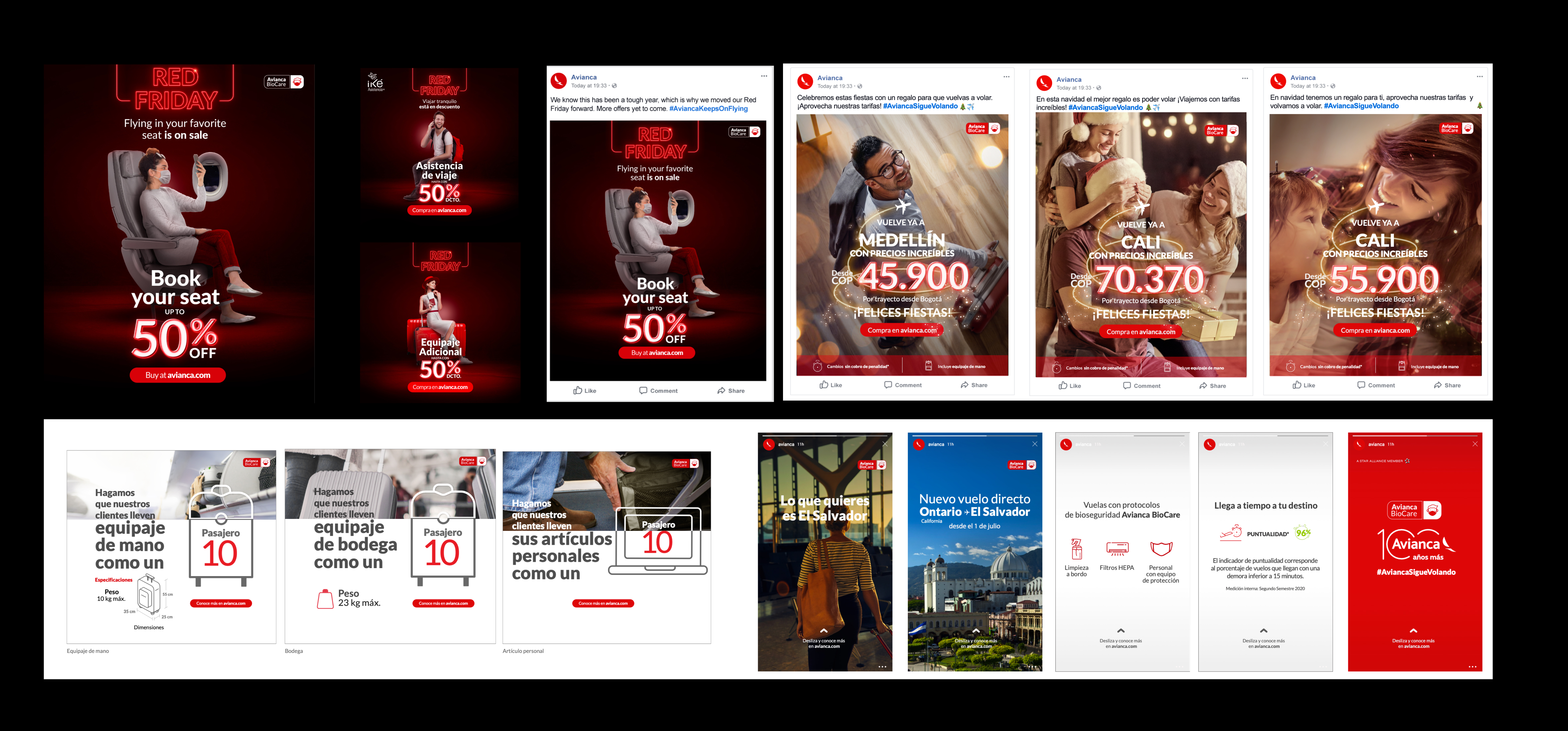
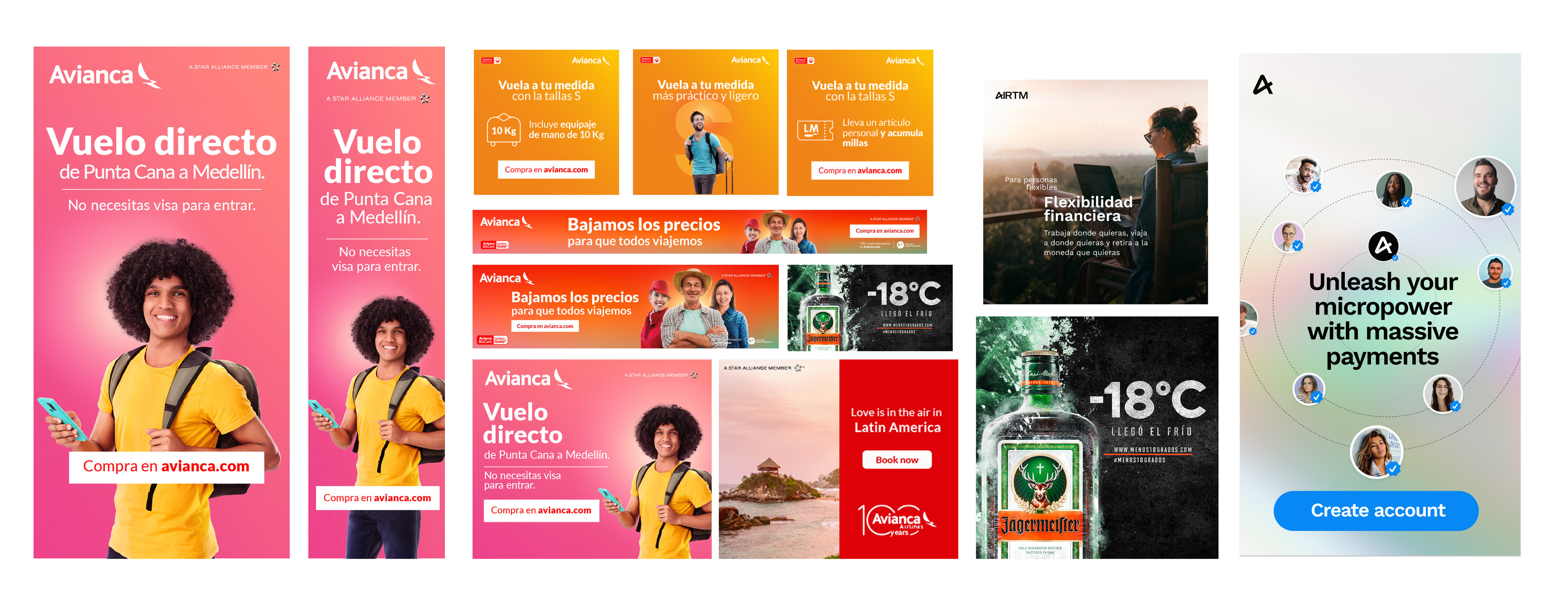
In the world of marketing, there are countless resources for launching a 360° campaign. I have the ability to create any type of digital asset: from rich media content and responsive ads to smart ads and HTML ads with pure JavaScript or GSAP code, also using Google Web Designer. The goal is to create a visual guide for generating ads with a consistent brand image.
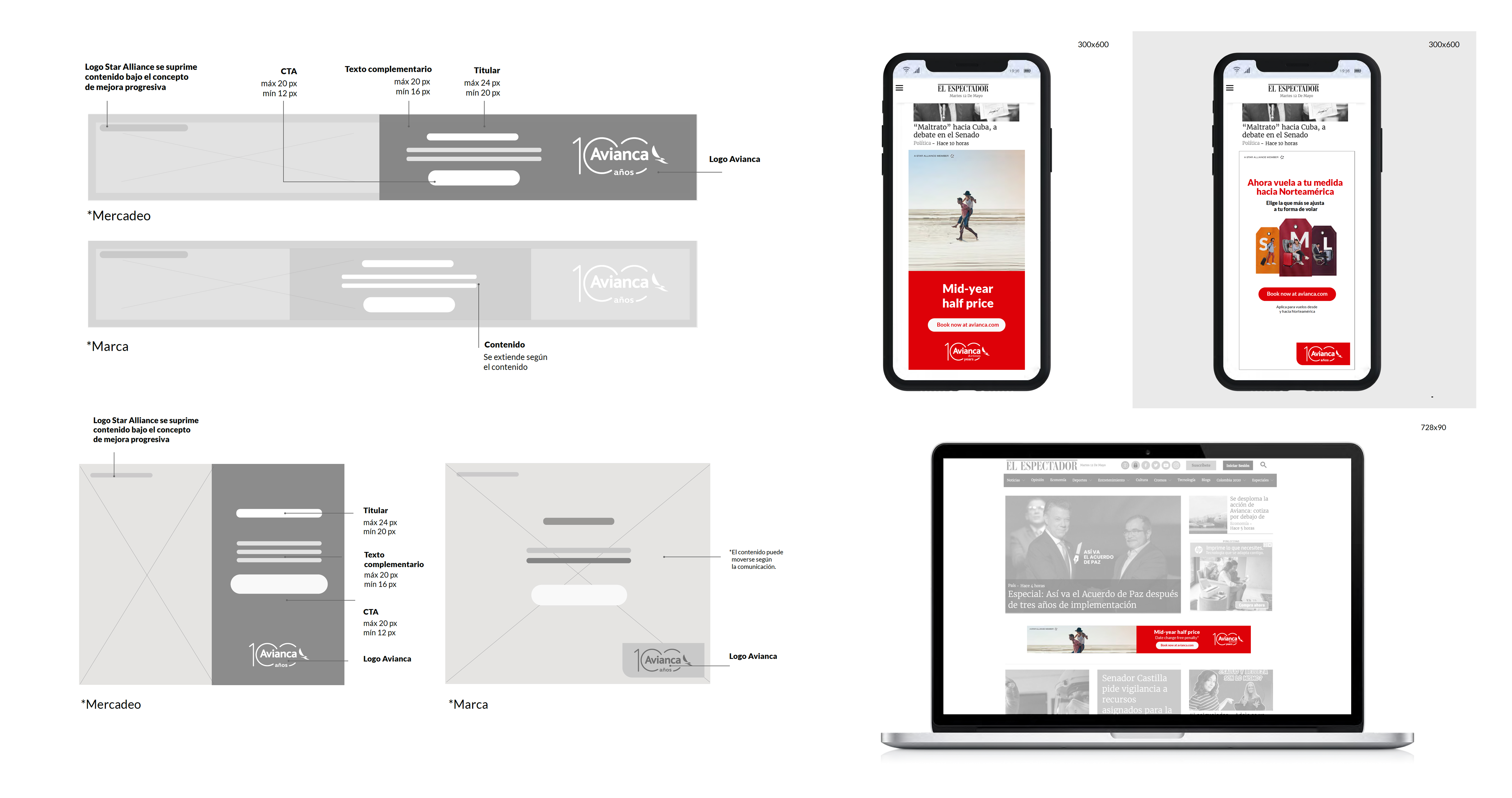
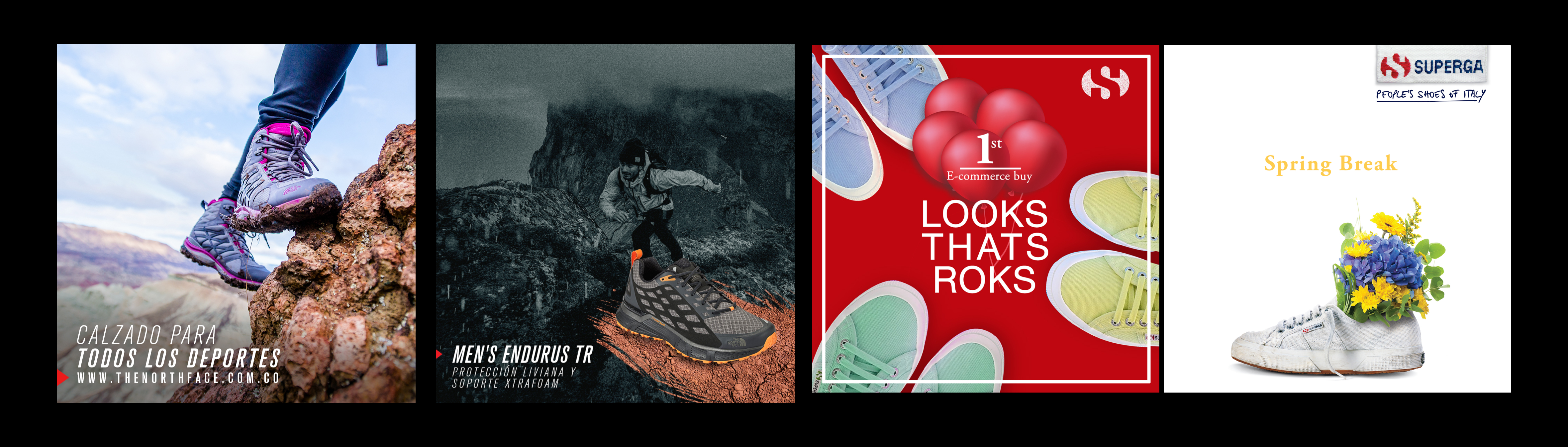
Beginning with the base design components, I develop and evaluate structural mockups (wireframes) for various social media assets and Instagram Stories. This allows me to establish the structure, hierarchy, and versatility of each digital asset before proceeding to the final visual design.